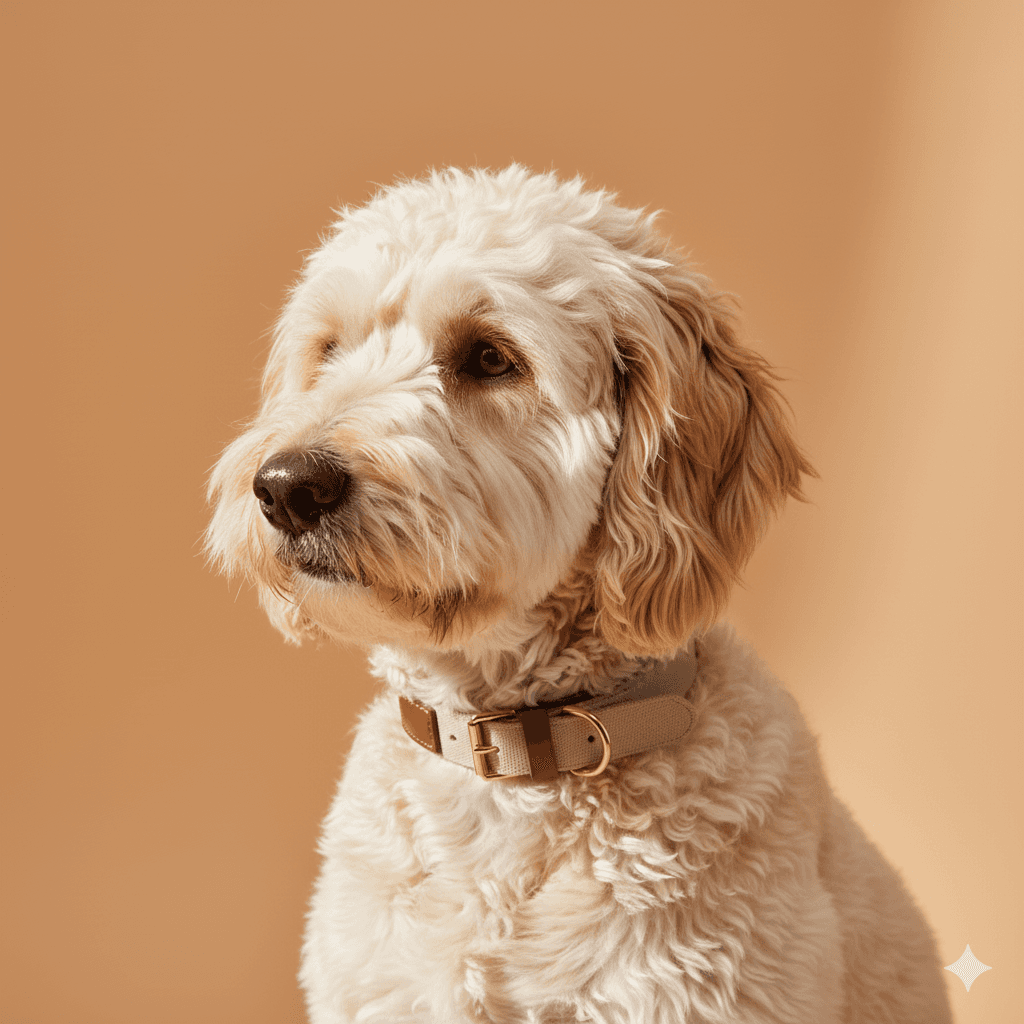
A quick guide to safe daily treat limits and smarter reward habits for your pup.
May 17, 2025

Treats are one of the best parts of being a pet parent — they help with training, bonding, and rewarding good behavior. But it’s surprisingly easy to overdo it. Too many treats can lead to weight gain, digestive issues, or nutrient imbalance, even if you’re using “healthy” options.
This guide breaks down exactly how many treats your dog should eat per day, how to choose the right type of treat, and how to avoid the most common feeding mistakes.
Understanding the 10% Rule (The Golden Guideline)
Most veterinarians agree on one simple principle:
Treats should make up no more than 10% of your dog’s daily calorie intake.
Why? Because treats — even the cleanest ones — aren’t meant to replace balanced meals. Your dog’s kibble or whole-food diet provides essential nutrients, while treats are purely supplemental.
Here’s how this breaks down:
Small dogs (10–20 lbs): 20–50 calories of treats per day
Medium dogs (20–50 lbs): 50–100 calories per day
Large dogs (50–90 lbs): 100–200 calories per day
XL breeds (90+ lbs): up to 250 calories per day
If you’re training heavily, you may go above these numbers — but only if your dog’s meal portions are adjusted.
Training Treats vs. Regular Treats
Not all treats serve the same purpose. Understanding the differences helps you reward your dog without overfeeding.
Training Treats
These should be:
Tiny
Soft
Low-calorie
High-value (meaning: tasty AF)
You’ll give dozens of them per session, so each piece should ideally be 1–3 calories.
Training treats are meant for repetition: sit, stay, heel, recall, new tricks, confidence-building, leash work — you name it.
Regular / Reward Treats
These are the “just because you’re cute” treats.
Larger, sometimes crunchier, and more satisfying.
Examples:
Dental sticks
Jerky bites
Biscuit-style snacks
Functional treats
Limit these to 1–2 pieces per day, depending on size and calories.
High-Value Treats: When They Matter Most
High-value treats are for the moments when you REALLY need your dog’s attention:
Training in noisy environments
Recall training
Socialization
Grooming desensitization
Vet visits
Nail trimming (the final boss)
These should have a strong scent and soft texture so your dog stays focused and motivated.
How to Read Treat Labels (The Not-So-Secret Skill)
A treat label tells you everything.
Look for:
✔ Ingredients you recognize
✔ Protein as the first ingredient
✔ No artificial dyes
✔ No corn or wheat fillers (unless recommended by vet)
✔ Under 5–10 calories per piece (ideal)
Avoid:
✘ Too many carbs
✘ Chemicals you can’t pronounce
✘ “Meat by-products” as the first ingredient
Your dog deserves better — and honestly, clean treats just perform better during training.
Signs You’re Giving Too Many Treats
Dogs don’t have poker faces — they will show it if they’re overdoing it.
Watch for:
Loose stools
Random vomiting
Reduced appetite at mealtime
Sudden weight gain
Excessive begging
Low energy
Gas (silent but deadly… we’ve all been there)
If you notice any of these, tighten up the treat portions.
Pet Parent Favorites
The most-loved essentials, trusted by real dogs and their humans.